May 08, 2023
Tera Academy
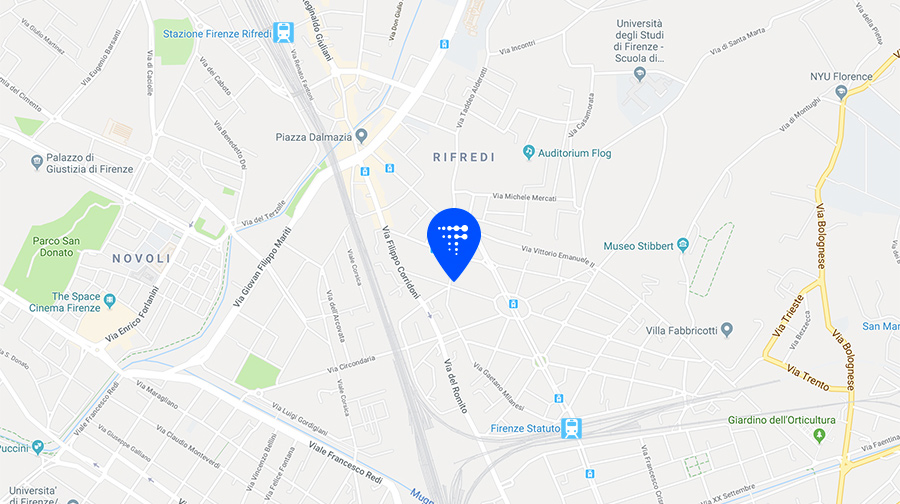
Via Riguccio Galluzzi, 22
50134 Florence
The PNRR Decree 3 for Renewable Energy, Law No. 41 of April 21, 2023, provides "Urgent provisions for the implementation of the National Recovery and Resilience Plan (NRP) and the National Plan of Complementary Investments to the NRP (PNC)." Among the various interventions, we highlight those in the field of energy, namely "simplification measures to support the production of electricity from renewable sources."
PNRR Decree 3 and energy: environmental impact assessment (EIA) no longer required
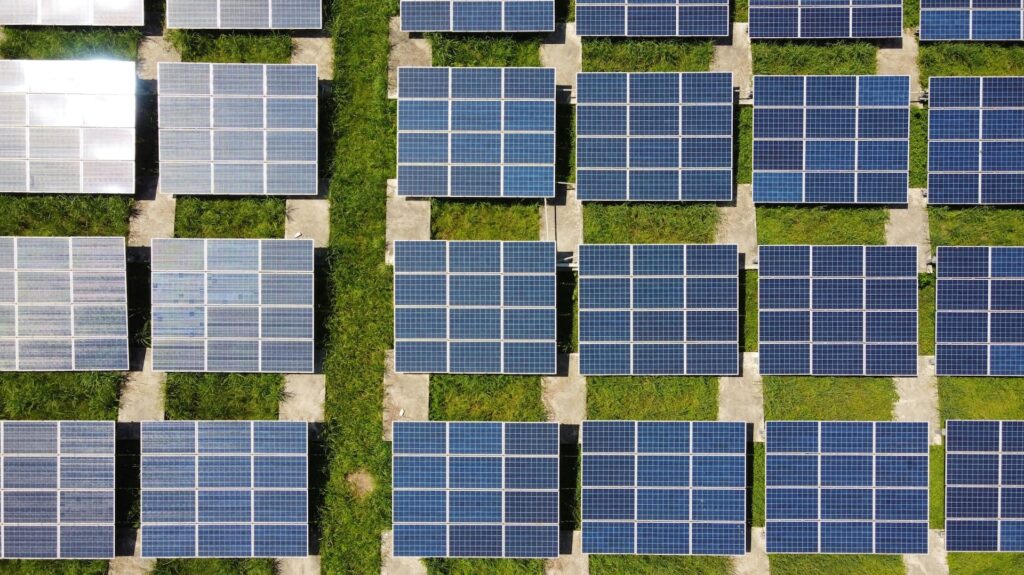
In fact, with regard to the construction of ground-mounted photovoltaic systems in eligible areas that have already been positively subjected to Strategic Environmental Assessment (SEA), there is no longer an Environmental Impact Assessment (EIA) until June 30, 2024. We are talking about "areas for industrial, artisanal and commercial use, as well as closed and restored landfills or landfill lots or lots or portions of quarries not susceptible to further exploitation" and for the following interventions:
- Photovoltaic systems with a total capacity of up to 30 MW and possibly including storage systems;
- Electric storage facilities;
- Renovation, upgrading or complete reconstruction of existing photovoltaic systems, including including storage systems with a capacity of up to 50 MW and not involving a change in the area occupied;
- Repowering of existing wind power plants with a capacity of up to 50 MW and not involving a change in occupied area;
- Renewable energy production facilities of up to 50 MW offshore, i.e., off the coast that fall within the specific areas of the Maritime Spatial Management Plan.
The Decree also provides simplified procedures for the installation of photovoltaic systems located in zones and areas for industrial, artisanal and commercial use, as well as in landfills or quarries that are not susceptible to further exploitation. Such interventions are considered ordinary and not extraordinary maintenance activities and therefore do not require permits or authorizations.
The process for installing photovoltaic systems in agricultural areas is also simplified, while meeting certain parameters.
NRP Decree 3 for Renewable Energy: Renewable Energy Communities.
The State Property Agency may also set up renewable energy communities for facilities greater than 1 MW in consultation with state administrations or other central or local public administrations.
Energy communities, whose powers of control are exercised exclusively by small and medium-sized agricultural enterprises, in individual or corporate form, including through their trade organizations, agricultural cooperatives carrying out activities referred to in Article 2135 of the Civil Code, cooperatives or their consortia, may, in addition, access the incentives reserved for renewable energy communities even in the case of renewable source plants (including agri-voltaic plants) having a capacity of more than 1 MW as an exception to what was stipulated in the sector regulations that provided for a limit of 1 MW; the same derogation also applies to other configurations of diffuse self-consumption.
NRP Decree 3: Agrivoltaic Plants
Important PV news regarding agricultural areas, where PV systems are considered "artifacts instrumental to the activity" and therefore installation will be free under the following conditions:
- Panels should be placed above plantations, at least 2 meters above the ground, and should not be supported by concrete foundations or be difficult to remove;
- The intervention must be carried out in such a way as to ensure integration with agricultural activities, as a support for plants or for parcelled irrigation systems and partial or mobile protection or shading of the underlying crops for the purpose of the simultaneous implementation of monitoring systems, to be implemented on the basis of guidelines adopted by the Council for Agricultural Research and Analysis of Agricultural Economics, in cooperation with the Energy Services Manager.
With regard to agri-voltaic plants and in implementation of the above, the MASE decree has also been sent to Brussels for the green light on state aid, which specifically provides for the recognition of an incentive consisting of a capital grant to the maximum extent of 40 percent of eligible costs and an incentive tariff based on the share of electricity produced and fed into the grid.
The MASE Agrivoltaic decree provides for an incentive tariff of 93 euros/MWh for systems up to 300 kW in capacity, which drops to 85 euros/MWh for larger ones; eligible costs of 1,700 euros/kW for systems up to 300 kW and 1,500 euros/kW for larger ones.
For further information call 055 577 297 or write to italy@teraenergy.com
Where are we
Via Riguccio Galluzzi, 22 - 50134 Florence